
Memberships
Trade blocs, economic forums and political organisations — founding facts, the official link, and the full member list, with every country linking to its logistics profile.
Logos and trademarks shown on this page are the property of their respective organisations and are used solely for identification, informational and editorial purposes. No affiliation, endorsement or sponsorship is implied.
Trade & economic organisations
African Continental Free Trade Area AFCFTA
- Founded
- 2019
- Seat
- Accra, Ghana
- Members
- 54
The African Continental Free Trade Area is a free-trade area established under the African Union. Its founding agreement was signed in Kigali on 21 March 2018 and entered into force on 30 May 2019, with trading under its preferences commencing on 1 January 2021. Its secretariat is in Accra. It aims to create a single market for goods and services across the African continent by progressively reducing tariffs and harmonising trade rules.
Member countries 54
 Algeria
 Angola
 Benin
Benin Botswana
 Burkina Faso
 Burundi
 Cameroon
 Cape Verde
 Central African Republic
 Chad
Chad Comoros
 Congo - Brazzaville
 Congo - Kinshasa
 Côte d’Ivoire
 Djibouti
 Egypt
Egypt Equatorial Guinea
 Eswatini
 Ethiopia
 Gabon
Gabon Gambia
 Ghana
Ghana Guinea
 Guinea-Bissau
 Kenya
Kenya Lesotho
 Liberia
 Libya
Libya Madagascar
 Malawi
 Mali
Mali Mauritania
 Mauritius
 Morocco
 Mozambique
 Namibia
 Niger
Niger Nigeria
 Rwanda
 São Tomé & Príncipe
 Senegal
 Seychelles
 Sierra Leone
 Somalia
 South Africa
 South Sudan
 Sudan
Sudan Tanzania
 Togo
Togo Tunisia
 Uganda
 Western Sahara
 Zambia
 Zimbabwe
Association of Southeast Asian Nations ASEAN
- Founded
- 1967
- Seat
- Jakarta, Indonesia
- Members
- 10
The Association of Southeast Asian Nations is a regional intergovernmental organisation founded by the Bangkok Declaration on 8 August 1967. Its secretariat is in Jakarta. It works to advance economic integration, political and security cooperation, and socio-cultural collaboration among its member states in Southeast Asia, including through the ASEAN Free Trade Area.
BRICS BRICS
- Founded
- 2009
- Seat
- no permanent secretariat (rotating chairship)
- Members
- 9
BRICS is an intergovernmental grouping of major emerging economies. It held its first formal summit in 2009 as "BRIC" (Brazil, Russia, India, China), with South Africa joining in 2010 to form BRICS; further members have since been admitted. It has no permanent secretariat, operating through annual summits under a rotating chairship to coordinate on economic, financial and development matters.
Member countries 9
Comprehensive and Progressive Agreement for Trans-Pacific Partnership CPTPP
- Founded
- 2018
- Seat
- trade agreement (depositary: New Zealand)
- Members
- 12
The Comprehensive and Progressive Agreement for Trans-Pacific Partnership is a free-trade agreement among economies of the Pacific Rim. It entered into force on 30 December 2018, building on the earlier Trans-Pacific Partnership negotiations. Rather than a standing organisation with a secretariat, it operates as a treaty administered by its parties, reducing tariffs and aligning trade rules across member economies.
Developing 8 Countries D8
- Founded
- 1997
- Seat
- Istanbul, Türkiye
- Members
- 8
The Developing-8 Organization for Economic Cooperation is a grouping of developing nations with large Muslim-majority populations. It was established by the Istanbul Declaration on 15 June 1997, and its secretariat is in Istanbul. It works to improve members' position in the global economy, diversify trade relations and enhance cooperation in fields such as trade, industry, agriculture and energy.

Economic Community of West African States ECOWAS
- Founded
- 1975
- Seat
- Abuja, Nigeria
- Members
- 15
The Economic Community of West African States is a regional bloc of West African countries. It was founded by the Treaty of Lagos on 28 May 1975, and its Commission is based in Abuja. It works to promote economic integration, free movement of people and goods, and cooperation on regional peace and security among its member states.
Eurasian Economic Union EAEU
- Founded
- 2015
- Seat
- Eurasian Economic Commission, Moscow
- Members
- 5
The Eurasian Economic Union is an economic union of states in northern Eurasia. Its founding treaty was signed on 29 May 2014 and entered into force on 1 January 2015. Its standing regulatory body, the Eurasian Economic Commission, is based in Moscow. It provides for free movement of goods, services, capital and labour, and a common external customs tariff among its members.
Member countries 5
European Free Trade Association EFTA
- Founded
- 1960
- Seat
- Geneva, Switzerland
- Members
- 4
The European Free Trade Association is an intergovernmental trade organisation. It was established by the Stockholm Convention in 1960 as an alternative trade bloc for European states outside the then European Economic Community, and its secretariat is in Geneva. It promotes free trade and economic integration among its members and manages their participation in the European single market through the European Economic Area.
Member countries 4
Eurozone EUROZONE
- Founded
- 1999
- Seat
- monetary union (European Central Bank, Frankfurt)
- Members
- 20
The euro area, or eurozone, is the monetary union of European Union member states that have adopted the euro as their currency. The euro was introduced in 1999 for accounting and electronic payments, with banknotes and coins entering circulation in 2002. Monetary policy for the area is conducted by the European Central Bank, based in Frankfurt. It is a currency union rather than a membership organisation with its own seat.
Group of Seven G7
- Founded
- 1975
- Seat
- no permanent secretariat (rotating presidency)
- Members
- 7
The Group of Seven is an informal forum of major advanced economies. It originated in a 1975 summit of six industrialised democracies, with Canada joining in 1976 to form the Group of Seven. It has no permanent secretariat or treaty basis; a member holds a rotating annual presidency that hosts the leaders' summit and sets the agenda on economic and political questions.
Member countries 7
Group of Twenty G20
- Founded
- 1999
- Seat
- no permanent secretariat (rotating presidency)
- Members
- 19
The Group of Twenty is an intergovernmental forum for international economic cooperation, founded in 1999 as a meeting of finance ministers and central bank governors and elevated to a leaders' summit in 2008. It has no permanent secretariat; a member holds a rotating annual presidency that sets the agenda. Its members are major advanced and emerging economies plus the European Union and the African Union.

International Monetary Fund IMF
- Founded
- 1944
- Seat
- Washington, D.C., United States
- Members
- 190
The International Monetary Fund is an intergovernmental financial institution conceived at the Bretton Woods Conference in 1944; it came into formal existence in 1945 and began operations in 1947. Headquartered in Washington, D.C., it works to foster global monetary cooperation and exchange stability, facilitate balanced growth of international trade, and provide financial assistance to member states facing balance-of-payments difficulties.
Member countries 190
 Afghanistan
 AlbaniaAlgeria
 AndorraAngola
 Antigua & Barbuda
 Argentina
 Armenia
 Australia
 Austria
 Azerbaijan
 Bahamas
 Bahrain
 Bangladesh
 Barbados
 Belarus
 Belgium
 BelizeBenin
 Bhutan
 Bolivia
 Bosnia & HerzegovinaBotswana
 Brazil
 Brunei
 BulgariaBurkina FasoBurundi
 CambodiaCameroon
 CanadaCape VerdeCentral African RepublicChad
 Chile
Chile China
China ColombiaComorosCongo - BrazzavilleCongo - Kinshasa
 Costa RicaCôte d’Ivoire
 Croatia
 Cyprus
 Czechia
 DenmarkDjibouti
 Dominica
 Dominican Republic
 EcuadorEgypt
 El SalvadorEquatorial Guinea
 Eritrea
 EstoniaEswatiniEthiopia
 Fiji
Fiji Finland
 FranceGabonGambia
 Georgia
 GermanyGhana
 Greece
 Grenada
 GuatemalaGuineaGuinea-Bissau
 Guyana
 Haiti
Haiti Honduras
 Hungary
 Iceland
 India
India Indonesia
 Iran
Iran Iraq
Iraq Ireland
 Israel
 Italy
Italy Jamaica
 Japan
Japan Jordan
 KazakhstanKenya
 Kiribati
 Kosovo
 Kuwait
 Kyrgyzstan
 Laos
Laos Latvia
 LebanonLesothoLiberiaLibya
 Liechtenstein
 Lithuania
 LuxembourgMadagascarMalawi
 Malaysia
 MaldivesMali
 Malta
Malta Marshall IslandsMauritaniaMauritius
 Mexico
 Micronesia
 Moldova
 Mongolia
 MontenegroMoroccoMozambique
 Myanmar (Burma)Namibia
 Nauru
Nauru Nepal
Nepal Netherlands
 New Zealand
 NicaraguaNigerNigeria
 North Macedonia
 Norway
 Oman
Oman Pakistan
 Palau
Palau Panama
 Papua New Guinea
 Paraguay
 Peru
Peru Philippines
 Poland
 Portugal
 Qatar
Qatar Romania
 RussiaRwanda
 Samoa
Samoa San MarinoSão Tomé & Príncipe
 Saudi ArabiaSenegal
 SerbiaSeychellesSierra Leone
 Singapore
 Slovakia
 Slovenia
 Solomon IslandsSomaliaSouth Africa
 South KoreaSouth Sudan
 Spain
Spain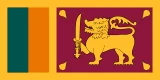 Sri Lanka
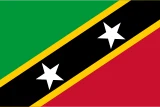 St. Kitts & Nevis
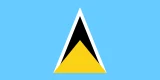 St. Lucia
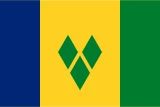 St. Vincent & GrenadinesSudan
 Suriname
 Sweden
 Switzerland
 Syria
Syria TajikistanTanzania
 Thailand
 Timor-LesteTogo
 Tonga
Tonga Trinidad & TobagoTunisia
 Turkmenistan
 Tuvalu
 TürkiyeUganda
 Ukraine
 United Arab Emirates
 United Kingdom
 United States
 Uruguay
 Uzbekistan
 Vanuatu
 Venezuela
 VietnamZambiaZimbabwe
Mercosur (Southern Common Market) MERCOSUR
- Founded
- 1991
- Seat
- Montevideo, Uruguay
- Members
- 4
Mercosur, the Southern Common Market, is a South American trade bloc. It was established by the Treaty of Asunción on 26 March 1991, and its administrative secretariat is in Montevideo. It works to promote free trade and the fluid movement of goods, services and factors of production among its members through a customs union and coordinated trade policy.

Organisation for Economic Co-operation and Development OECD
- Founded
- 1961
- Seat
- Paris, France
- Members
- 38
The Organisation for Economic Co-operation and Development is an intergovernmental economic organisation. It was established when its founding convention took effect in 1961, succeeding the Organisation for European Economic Co-operation that had administered post-war Marshall Plan aid. Headquartered in Paris, it provides a forum in which mostly high-income economies compare policy experience, gather comparable statistics and coordinate on economic and social questions.
Member countries 38
Organization of the Petroleum Exporting Countries OPEC
- Founded
- 1960
- Seat
- Vienna, Austria
- Members
- 12
The Organization of the Petroleum Exporting Countries is an intergovernmental organisation of major oil-exporting nations. It was founded in Baghdad in September 1960, and its secretariat has been based in Vienna since 1965. It works to coordinate and unify the petroleum policies of its member countries and to provide a forum on conditions in international oil markets.
United States–Mexico–Canada Agreement USMCA
- Founded
- 2020
- Seat
- trade agreement (no central secretariat)
- Members
- 3
The Agreement between the United States of America, the United Mexican States, and Canada — the USMCA — is a free-trade agreement among the three North American countries. It entered into force on 1 July 2020, replacing the earlier North American Free Trade Agreement. It operates as a treaty among its parties rather than a standing organisation, setting rules on trade in goods and services, investment, labour and other matters.
Member countries 3

World Customs Organization WCO
- Founded
- 1952
- Seat
- Brussels, Belgium
- Members
- 186
The World Customs Organization is an intergovernmental body dedicated to customs matters. It was established in 1952 as the Customs Co-operation Council, holding its inaugural session in Brussels, where it remains headquartered, and adopted its present working name in 1994. It develops international standards for customs procedures, including the Harmonized System for classifying traded goods, and supports cooperation among national customs administrations.
Member countries 186
AfghanistanAlbaniaAlgeriaAndorraAngolaAntigua & BarbudaArgentinaArmeniaAustraliaAustriaAzerbaijanBahamasBahrainBangladeshBarbadosBelarusBelgiumBelizeBenin BermudaBhutanBoliviaBosnia & HerzegovinaBotswanaBrazilBruneiBulgariaBurkina FasoBurundiCambodiaCameroonCanadaCape VerdeCentral African RepublicChadChileChinaColombiaComorosCongo - BrazzavilleCongo - KinshasaCosta RicaCôte d’IvoireCroatia
 Cuba
Cuba CuraçaoCyprusCzechiaDenmarkDjiboutiDominican RepublicEcuadorEgyptEl SalvadorEquatorial GuineaEritreaEstoniaEswatiniEthiopiaFijiFinlandFranceGabonGambiaGeorgiaGermanyGhanaGreeceGuatemalaGuineaGuinea-BissauGuyanaHaitiHonduras
 Hong Kong SAR ChinaHungaryIcelandIndiaIndonesiaIranIraqIrelandIsraelItalyJamaicaJapanJordanKazakhstanKenyaKuwaitKyrgyzstanLaosLatviaLebanonLesothoLiberiaLibyaLithuaniaLuxembourg
 Macao SAR ChinaMadagascarMalawiMalaysiaMaldivesMaliMaltaMauritaniaMauritiusMexicoMoldovaMongoliaMontenegroMoroccoMozambiqueMyanmar (Burma)NamibiaNepalNetherlandsNew ZealandNicaraguaNigerNigeriaNorth MacedoniaNorwayOmanPakistanPalau
 Palestinian TerritoriesPanamaPapua New GuineaParaguayPeruPhilippinesPolandPortugalQatarRomaniaRussiaRwandaSamoaSão Tomé & PríncipeSaudi ArabiaSenegalSerbiaSeychellesSierra LeoneSingaporeSlovakiaSloveniaSolomon IslandsSomaliaSouth AfricaSouth KoreaSouth SudanSpainSri LankaSt. LuciaSt. Vincent & GrenadinesSudanSurinameSwedenSwitzerlandSyriaTajikistanTanzaniaThailandTimor-LesteTogoTongaTrinidad & TobagoTunisiaTurkmenistanTürkiyeUgandaUkraineUnited Arab EmiratesUnited KingdomUnited StatesUruguayUzbekistanVanuatuVenezuelaVietnam
 YemenZambiaZimbabwe
World Trade Organization WTO
- Founded
- 1995
- Seat
- Geneva, Switzerland
- Members
- 162
The World Trade Organization is the intergovernmental body that administers the rules of trade between nations. It was established on 1 January 1995 under the Marrakesh Agreement, succeeding the General Agreement on Tariffs and Trade (GATT). Headquartered in Geneva, it provides a framework for negotiating trade agreements and a procedure for settling disputes among its members.
Member countries 162
AfghanistanAlbaniaAngolaAntigua & BarbudaArgentinaArmeniaAustraliaAustriaBahrainBangladeshBarbadosBelgiumBelizeBeninBoliviaBotswanaBrazilBruneiBulgariaBurkina FasoBurundiCambodiaCameroonCanadaCape VerdeCentral African RepublicChadChileChinaColombiaComorosCongo - BrazzavilleCongo - KinshasaCosta RicaCôte d’IvoireCroatiaCubaCyprusCzechiaDenmarkDjiboutiDominicaDominican RepublicEcuadorEgyptEl SalvadorEstoniaEswatiniFijiFinlandFranceGabonGambiaGeorgiaGermanyGhanaGreeceGrenadaGuatemalaGuineaGuinea-BissauGuyanaHaitiHondurasHong Kong SAR ChinaHungaryIcelandIndiaIndonesiaIrelandIsraelItalyJamaicaJapanJordanKazakhstanKenyaKuwaitKyrgyzstanLaosLatviaLesothoLiberiaLithuaniaLuxembourgMacao SAR ChinaMadagascarMalawiMalaysiaMaldivesMaliMaltaMauritaniaMauritiusMexicoMoldovaMongoliaMontenegroMoroccoMozambiqueMyanmar (Burma)NamibiaNepalNetherlandsNew ZealandNicaraguaNigerNigeriaNorth MacedoniaNorwayOmanPakistanPanamaPapua New GuineaParaguayPeruPhilippinesPolandPortugalQatarRussiaRwandaSamoaSaudi ArabiaSenegalSeychellesSierra LeoneSingaporeSlovakiaSloveniaSolomon IslandsSouth AfricaSouth KoreaSpainSri LankaSt. Kitts & NevisSt. LuciaSt. Vincent & GrenadinesSurinameSwedenSwitzerlandTajikistanTanzaniaThailandTimor-LesteTogoTongaTrinidad & TobagoTunisiaTürkiyeUgandaUkraineUnited Arab EmiratesUnited KingdomUnited StatesUruguayVanuatuVenezuelaVietnamYemenZambiaZimbabwe Political communities & alliances
African Union AU
- Founded
- 2002
- Seat
- Addis Ababa, Ethiopia
- Members
- 55
The African Union is a continental body comprising the states of Africa. It was launched on 9 July 2002 in Durban, succeeding the Organisation of African Unity that had been founded in 1963. Its principal administrative organ, the African Union Commission, is based in Addis Ababa. The Union works to promote political and economic integration, peace and security, and shared development across the continent.
Member countries 55
AlgeriaAngolaBeninBotswanaBurkina FasoBurundiCameroonCape VerdeCentral African RepublicChadComorosCongo - BrazzavilleCongo - KinshasaCôte d’IvoireDjiboutiEgyptEquatorial GuineaEritreaEswatiniEthiopiaGabonGambiaGhanaGuineaGuinea-BissauKenyaLesothoLiberiaLibyaMadagascarMalawiMaliMauritaniaMauritiusMoroccoMozambiqueNamibiaNigerNigeriaRwandaSão Tomé & PríncipeSenegalSeychellesSierra LeoneSomaliaSouth AfricaSouth SudanSudanTanzaniaTogoTunisiaUgandaWestern SaharaZambiaZimbabwe 
Arab League ARABLEAGUE
- Founded
- 1945
- Seat
- Cairo, Egypt
- Members
- 22
The League of Arab States is a regional organisation of Arab countries. It was founded in Cairo on 22 March 1945, where its General Secretariat remains based. It works to strengthen relations among member states and to coordinate their political, economic, cultural and social policies, providing a forum for collective positions on regional matters.
Commonwealth of Independent States CIS
- Founded
- 1991
- Seat
- Minsk, Belarus
- Members
- 9
The Commonwealth of Independent States is a regional organisation of post-Soviet states. It was formed in December 1991 following the dissolution of the Soviet Union, and its Executive Committee is based in Minsk. It provides a framework for cooperation among members on economic, security and humanitarian matters, with participation and depth of involvement varying among them.
Commonwealth of Nations COMMONWEALTH
- Founded
- 1949
- Seat
- London, United Kingdom
- Members
- 56
The Commonwealth of Nations is a voluntary association of independent states, most of which have historical ties to the former British Empire. Its modern form dates to the London Declaration of 1949, and the Commonwealth Secretariat, based in London, was established in 1965 to coordinate activities among members. It works on democracy, development and shared values through summits and cooperative programmes; membership does not entail any treaty obligation of mutual defence.
Member countries 56
Antigua & BarbudaAustraliaBahamasBangladeshBarbadosBelizeBotswanaBruneiCameroonCanadaCyprusDominicaEswatiniFijiGabonGambiaGhanaGrenadaGuyanaIndiaJamaicaKenyaKiribatiLesothoMalawiMalaysiaMaldivesMaltaMauritiusMozambiqueNamibiaNauruNew ZealandNigeriaPakistanPapua New GuineaRwandaSamoaSeychellesSierra LeoneSingaporeSolomon IslandsSouth AfricaSri LankaSt. Kitts & NevisSt. LuciaSt. Vincent & GrenadinesTanzaniaTogoTongaTrinidad & TobagoTuvaluUgandaUnited KingdomVanuatuZambia 
Council of Europe CoE
- Founded
- 1949
- Seat
- Strasbourg, France
- Members
- 46
The Council of Europe is an international organisation founded by the Treaty of London on 5 May 1949. Headquartered in Strasbourg, it works to uphold human rights, democracy and the rule of law across its member states, and is the body under which the European Convention on Human Rights and the European Court of Human Rights operate. It is distinct from the institutions of the European Union.
Member countries 46
AlbaniaAndorraArmeniaAustriaAzerbaijanBelgiumBosnia & HerzegovinaBulgariaCroatiaCyprusCzechiaDenmarkEstoniaFinlandFranceGeorgiaGermanyGreeceHungaryIcelandIrelandItalyLatviaLiechtensteinLithuaniaLuxembourgMaltaMoldova MonacoMontenegroNetherlandsNorth MacedoniaNorwayPolandPortugalRomaniaSan MarinoSerbiaSlovakiaSloveniaSpainSwedenSwitzerlandTürkiyeUkraineUnited Kingdom
 European Union EU
- Founded
- 1993
- Seat
- Brussels, Belgium
- Members
- 27
The European Union is a political and economic union of European states. It was established by the Maastricht Treaty, which was signed in 1992 and entered into force on 1 November 1993, building on earlier European Communities. Its main institutions are seated chiefly in Brussels, Luxembourg and Strasbourg. It operates a single market with free movement of goods, services, capital and people, and a common external trade and customs policy.
Gulf Cooperation Council GCC
- Founded
- 1981
- Seat
- Riyadh, Saudi Arabia
- Members
- 6
The Cooperation Council for the Arab States of the Gulf, commonly the Gulf Cooperation Council, is a regional union of Arab states bordering the Persian Gulf. It was founded in 1981, and its secretariat is based in Riyadh. It works to deepen coordination and integration among its members across economic, security and political fields, including steps toward a common market.
Member countries 6
Nordic Council NORDIC
- Founded
- 1952
- Seat
- Copenhagen, Denmark
- Members
- 5
The Nordic Council is the official body for inter-parliamentary cooperation among the Nordic countries. It was established in 1952, and its secretariat is in Copenhagen. Together with the Nordic Council of Ministers it provides a forum for cooperation on legislation, culture, the environment and social affairs across the region.
North Atlantic Treaty Organization NATO
- Founded
- 1949
- Seat
- Brussels, Belgium
- Members
- 32
The North Atlantic Treaty Organization is an intergovernmental military alliance established by the North Atlantic Treaty signed in Washington, D.C. on 4 April 1949. It is headquartered in Brussels and operates on the principle of collective defence, under which an attack on one member is considered an attack on all. Membership has expanded through successive rounds of enlargement since its founding.
Shanghai Cooperation Organisation SCO
- Founded
- 2001
- Seat
- Beijing, China
- Members
- 10
The Shanghai Cooperation Organisation is a Eurasian political, economic and security organisation. It was established in Shanghai on 15 June 2001, building on the earlier "Shanghai Five" grouping, and its permanent secretariat is in Beijing. It works on regional security, counter-terrorism, and economic and cultural cooperation among its member states.
Member countries 10
United Nations UN
- Founded
- 1945
- Seat
- New York, United States
- Members
- 193
The United Nations is an intergovernmental organisation established when its Charter entered into force on 24 October 1945, following the San Francisco Conference. Its headquarters are in New York. It works to maintain international peace and security, develop friendly relations among nations and promote cooperation on economic, social and humanitarian matters. Membership is open to peace-loving states that accept the obligations of the Charter.
Member countries 193
AfghanistanAlbaniaAlgeriaAndorraAngolaAntigua & BarbudaArgentinaArmeniaAustraliaAustriaAzerbaijanBahamasBahrainBangladeshBarbadosBelarusBelgiumBelizeBeninBhutanBoliviaBosnia & HerzegovinaBotswanaBrazilBruneiBulgariaBurkina FasoBurundiCambodiaCameroonCanadaCape VerdeCentral African RepublicChadChileChinaColombiaComorosCongo - BrazzavilleCongo - KinshasaCosta RicaCôte d’IvoireCroatiaCubaCyprusCzechiaDenmarkDjiboutiDominicaDominican RepublicEcuadorEgyptEl SalvadorEquatorial GuineaEritreaEstoniaEswatiniEthiopiaFijiFinlandFranceGabonGambiaGeorgiaGermanyGhanaGreeceGrenadaGuatemalaGuineaGuinea-BissauGuyanaHaitiHondurasHungaryIcelandIndiaIndonesiaIranIraqIrelandIsraelItalyJamaicaJapanJordanKazakhstanKenyaKiribatiKuwaitKyrgyzstanLaosLatviaLebanonLesothoLiberiaLibyaLiechtensteinLithuaniaLuxembourgMadagascarMalawiMalaysiaMaldivesMaliMaltaMarshall IslandsMauritaniaMauritiusMexicoMicronesiaMoldovaMonacoMongoliaMontenegroMoroccoMozambiqueMyanmar (Burma)NamibiaNauruNepalNetherlandsNew ZealandNicaraguaNigerNigeria North KoreaNorth MacedoniaNorwayOmanPakistanPalauPanamaPapua New GuineaParaguayPeruPhilippinesPolandPortugalQatarRomaniaRussiaRwandaSamoaSan MarinoSão Tomé & PríncipeSaudi ArabiaSenegalSerbiaSeychellesSierra LeoneSingaporeSlovakiaSloveniaSolomon IslandsSomaliaSouth AfricaSouth KoreaSouth SudanSpainSri LankaSt. Kitts & NevisSt. LuciaSt. Vincent & GrenadinesSudanSurinameSwedenSwitzerlandSyriaTajikistanTanzaniaThailandTimor-LesteTogoTongaTrinidad & TobagoTunisiaTurkmenistanTuvaluTürkiyeUgandaUkraineUnited Arab EmiratesUnited KingdomUnited StatesUruguayUzbekistanVanuatuVenezuelaVietnamYemenZambiaZimbabwe
 Logos and trademarks shown on this page are the property of their respective organisations and are used solely for identification, informational and editorial purposes. No affiliation, endorsement or sponsorship is implied.